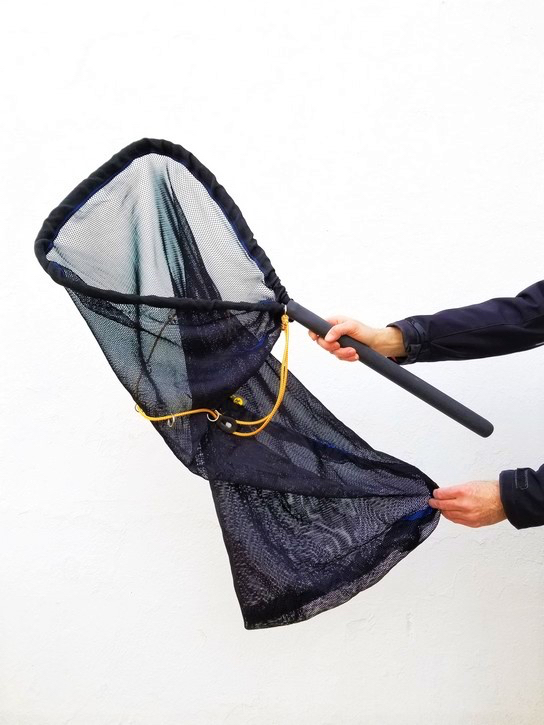
Wild Nets for Wildlife Rescue: How to Choose the Right Net for the Job

When it comes to humane wildlife handling, choosing the right equipment can make a major difference for both the rescuer and the animal. Wild nets are an important part of many rescue kits because they can help create distance, improve control, and support safer capture in unpredictable situations. For wildlife carers, councils, shelters, and animal professionals across Australia, understanding how to choose the right nets can make rescue work more efficient and less stressful.

Not all wild nets are the same. Different animals, environments, and rescue scenarios call for different net styles, depths, hoop sizes, and handling features. ACES AU offers a broad selection of net poles, nets, and net guns within its Wildlife Rescue range, giving professionals access to tools suited to a variety of field conditions.

Why wild nets matter in wildlife rescue

One of the main benefits of wild nets is that they help rescuers capture animals while maintaining a safer working distance. In many cases, this can reduce direct handling and help lower the risk of injury to the person and the animal. The right net can also improve control during those first critical moments of containment, especially when dealing with frightened, fast-moving, or hard-to-reach wildlife.

In Australia, rescue situations can vary widely. A bird in distress, a bat requiring careful containment, or a small mammal needing relocation may all require a different approach. That is why wild nets should never be treated as one-size-fits-all equipment. The most effective option depends on the species, the setting, and how much reach, flexibility, or containment is needed.

What to look for when choosing wild nets

The first thing to consider is the animal itself. Size, strength, speed, and behaviour all matter. Smaller flying animals may call for lightweight wild nets that are easier to position quickly, while stronger or more active animals may require a sturdier frame or deeper bag for better containment.

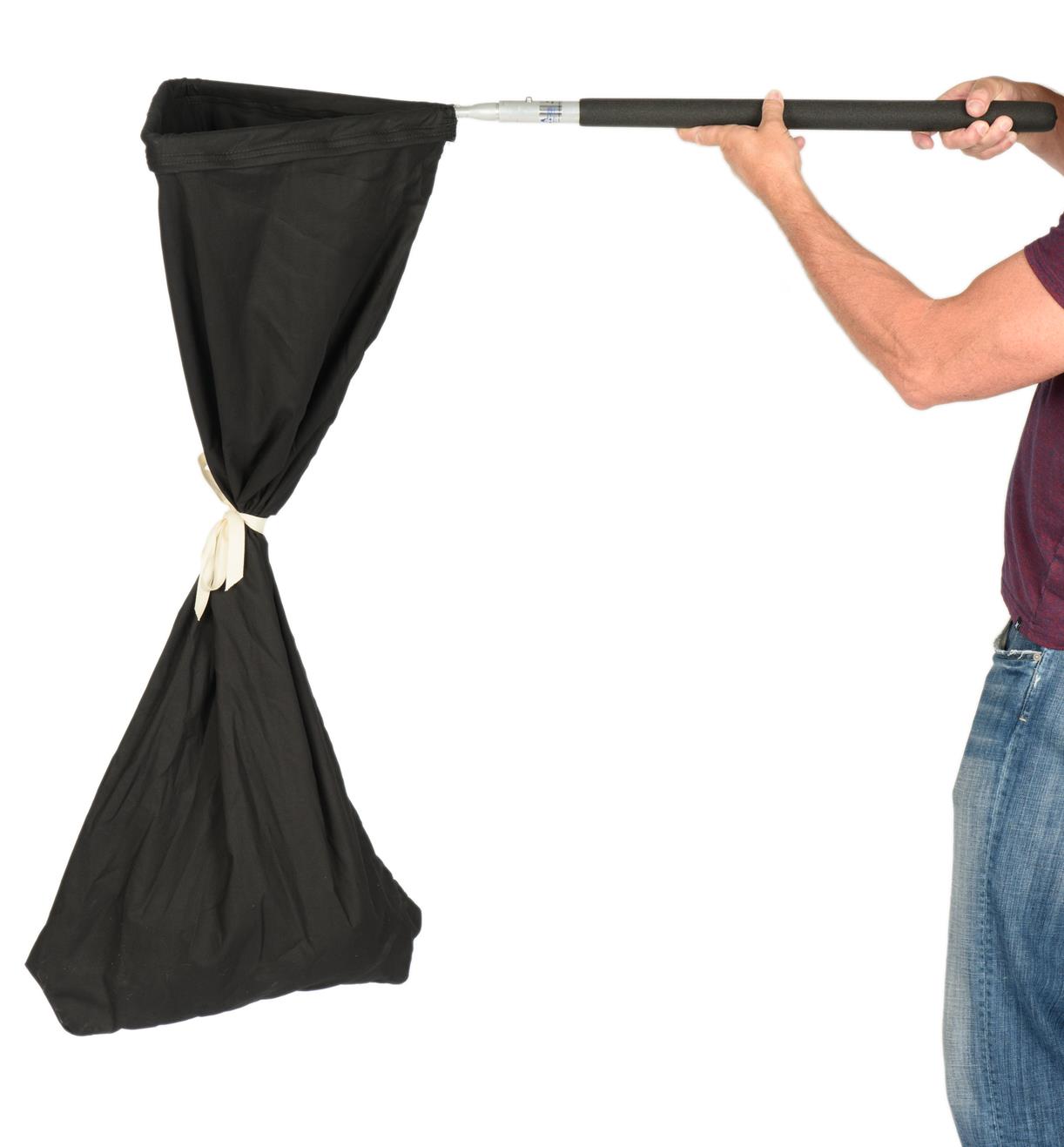
Reach is another key factor. In some rescue situations, an extendable option is the safest choice. ACES AU carries products such as the Extendable Folding Net, which can be useful when extra distance is needed without sacrificing manoeuvrability. Foldable styles can also be practical for transport and storage, particularly for rescuers who work in the field or need compact equipment in the vehicle.

Net shape and design also matter. Some wild nets are better for quick scooping action, while others are designed for broader coverage or more secure containment. ACES AU’s range includes options such as Freeman Hammock Nets, Humaniac Cage Net, Humaniac Hula Hoop Net, and Freeman Multi-Purpose Net, each suited to different handling needs. Looking at the intended purpose of each net style can help rescuers avoid choosing gear that is too narrow, too shallow, or too cumbersome for the task.

Matching wild nets to common rescue scenarios

For birds, bats, and smaller mammals, lighter and more precise wild nets are often the better choice. ACES AU offers a Bat, Bird & Mammal Net, which clearly reflects the need for more specialised handling across these species. In situations where speed and control are critical, a properly matched net can help reduce struggle and improve the capture process.

For general rescue work, versatile wild nets can offer more flexibility across species and environments. Products like the Freeman Multi-Purpose Net, Magnum Net, and Little Dandy Net can support professionals who need dependable equipment for a range of daily callouts. For some applications, ACES Throw Nets may also be appropriate when rapid coverage is needed in the hands of trained users.

The important point is this: the best wild nets are not simply the strongest or the biggest. They are the ones that match the situation well. A net that is excellent for one rescue may be completely wrong for another.

Choosing with confidence at ACES AU

ACES AU positions itself around products and services for professional animal care, and its website includes dedicated categories for Wildlife Rescue and Animal Control alongside its net range. That makes it easier for Australian animal professionals to compare equipment and choose wild nets that suit the real demands of rescue work.

ACES AU and the right rescue gear

Choosing wild nets is really about choosing safer, more appropriate handling tools for the job in front of you. The right design can support humane capture, better control, and a smoother rescue outcome. Whether you are looking for wild nets for birds, bats, small mammals, or more general wildlife rescue work, ACES AU offers a strong range of professional options to help you build a more capable kit.

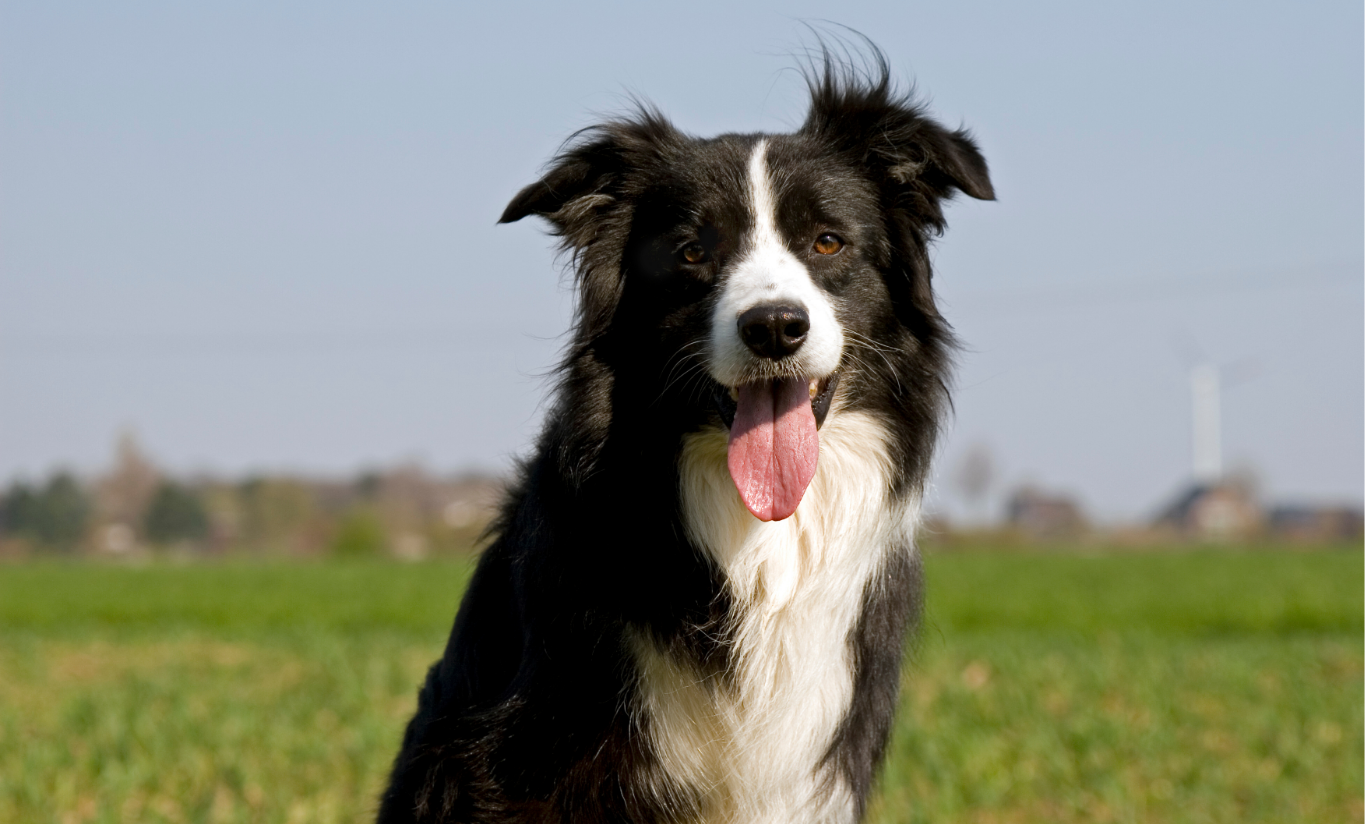
Foldable Dog Crate Size Chart: How to Measure Your Dog the Right Way

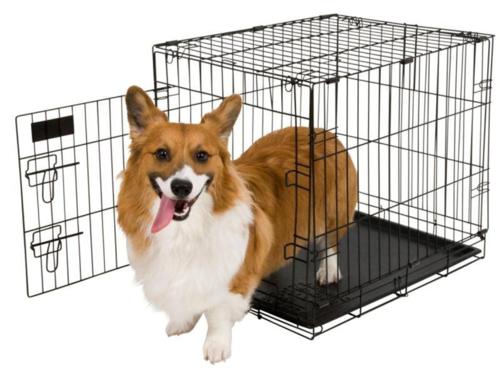
Choosing the right foldable dog crate for your pet is more than picking the cheapest or cutest option online. If you want a crate that is comfortable, safe, and functional for travel or home use, you need the correct size. The right fit makes a huge difference in comfort and behaviour. In this guide, we explain how to measure your dog properly and offer breed examples to help you choose with confidence.

Whether you are crate training a puppy, preparing for a long trip, or creating a safe space for your furry companion at home, understanding the size chart for a foldable dog crate is essential.

Why Crate Size Matters

A crate that is too small can make your dog feel cramped and stressed. A crate that is too large might not feel secure, especially for dogs that prefer snug sleeping spaces. The goal is simple: your dog must be able to stand up, turn around, and lie down comfortably inside their foldable dog crate.

If the crate is for travel, extra room can mean increased risk during sudden stops. That is why accurate measurement is critical.

How to Measure Your Dog

Before you buy a foldable dog crate, you need three basic measurements:

1. Length

Measure from the tip of the dog nose to the base of the tail. This gives you the minimum internal length your foldable dog crate must have. Always add about 5 to 10 centimetres to this measurement to ensure movement and comfort.

2. Height

Measure from the top of your dog head to the ground when the dog is standing naturally. Avoid measuring seated height or floppy ears. The internal height of the foldable dog crate must allow your dog to stand without bumping the top.

3. Width

Width is secondary but still important. Your dog should be able to turn around with ease. The width can be approximated by using the length measurement; generally, the width of the crate should be equal or slightly more than half your dog’s length.

Breed Size Examples

Here are some general guidelines based on common Australian dog breeds. Remember sizes vary by individual dog, so you should always measure your own dog before buying a foldable dog crate.

Small Breeds

foldable dog crate - small dog
  • Jack Russell Terrier: Approx 30 cm length, 30 cm height
  • Maltese: Approx 28 cm length, 25 cm height

For these small breeds, a crate internal length of 60 to 70 cm works well.

Medium Breeds

foldable dog crate - medium dog
  • Australian Cattle Dog: Approx 50 to 60 cm length, 45 to 55 cm height
  • Border Collie: Approx 55 to 65 cm length, 50 to 60 cm height

Medium dogs generally do well in a crate with internal length between 80 and 100 cm.

Large Breeds

foldable dog crate - large dog
  • Labrador Retriever: Approx 65 to 75 cm length, 55 to 65 cm height
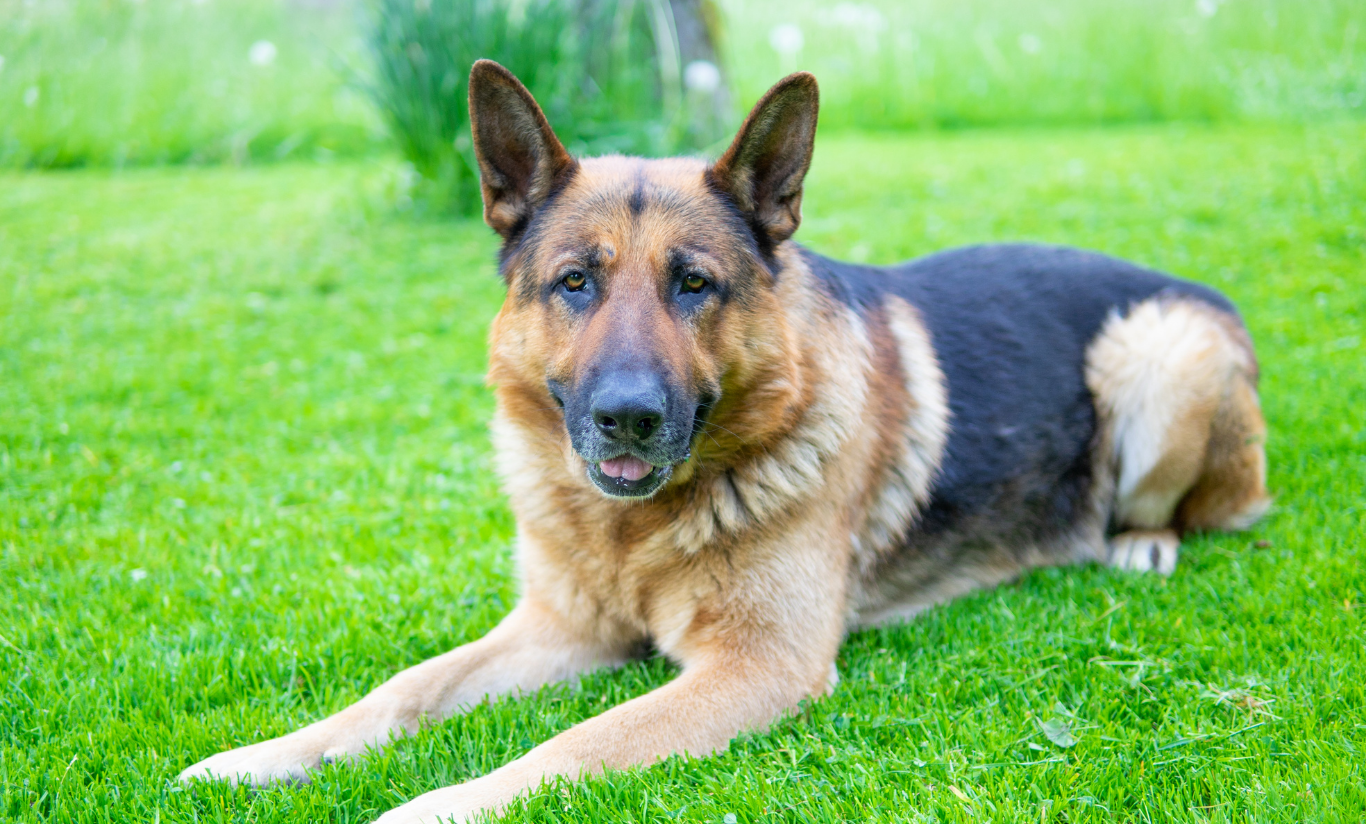
  • German Shepherd: Approx 75 to 85 cm length, 60 to 70 cm height

For large breeds, choose a foldable dog crate with internal length of 110 cm or more for comfort.

Tips for Crate Training with the Right Size

Once you have your measurements and selected an appropriate foldable dog crate, bring your dog to the crate and encourage exploration. Never force your dog inside. Use treats and praise to create a positive association.

Make sure bedding is comfortable but not so thick that it reduces internal space significantly. For dogs still growing, like puppies, choose a crate with a divider panel. This allows the crate to grow with your dog and still maintain a safe feeling of space.

Common Mistakes to Avoid

Here are some frequent errors pet owners make when choosing a foldable dog crate:

1. Choosing by Breed Only

Breed guidelines are helpful, but the individual dog matters more. Always measure your dog first.

2. Forgetting Travel Needs

If you plan to use your foldable dog crate in a car or plane, check the travel regulations and ensure the crate fits both your dog and the space available.

3. Ignoring Behaviour

Some dogs like snug spaces while others want more room. Take your dog’s personality into account.

Your Dog Deserves the Right Fit

Getting the correct size for your foldable dog crate is a simple step with a big impact on your dog’s comfort and wellbeing. Take the time to measure accurately, use the breed examples above as a guideline, and choose a crate that matches your dog’s specific needs.

Ready to find the perfect fit? Check out the range of foldable dog crate options available on our website.


Scale for Pets: How to Choose the Right Pet Weighing Scale for Home, Shelter, or Vet Use

Choosing the right pet weighing scale is one of those small decisions that can make a big difference. Consistent, accurate weights support better feeding plans, safer medication dosing, and earlier detection of changes over time. The best scale for pets for you depends on where it will be used and the size of the animals you need to weigh.

ACES AU offers several purpose-built options that suit different environments, from home use to high-traffic shelters and veterinary clinics. This guide will help you choose the right scale for pets using a practical decision framework based on use case and capacity.

Why a Dedicated Pet Weighing Scale Matters

Household scales can work in a pinch, but they often create inconsistent readings, especially when an animal shifts its weight or refuses to be held still. A dedicated scale for pets is designed for animal comfort and stability, making weigh-ins faster and more reliable.

Regular weighing is especially valuable for puppies, kittens, senior pets, animals on managed diets, and pets recovering from illness or injury. With the right equipment, you get clearer data you can actually trust.

Choose by Use Case: Home, Shelter, or Vet

Home Use and Smaller Animals

If you are weighing cats, small dogs, rabbits, or other small animals, the most practical option is usually a compact scale designed for lighter weights. These units are easy to store, quick to set up, and ideal for routine monitoring.

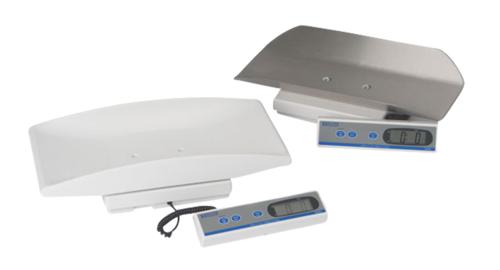
A good choice here is ACES AU’s Small Animal Scale, designed for smaller pets and lighter weight ranges. It is a smart fit for:

  • Tracking growth in young animals
  • Monitoring weight trends at home
  • Supporting feeding adjustments and wellness routines

Click here for product link.

Shelters, Rescues, and Multi-Animal Facilities

Shelters and rescue organisations often handle a wide range of animals, and intake weigh-ins need to be efficient, repeatable, and low-stress. In these environments, platform size matters as much as capacity. A stable surface helps animals stand naturally, which improves accuracy and reduces the need for excessive handling.

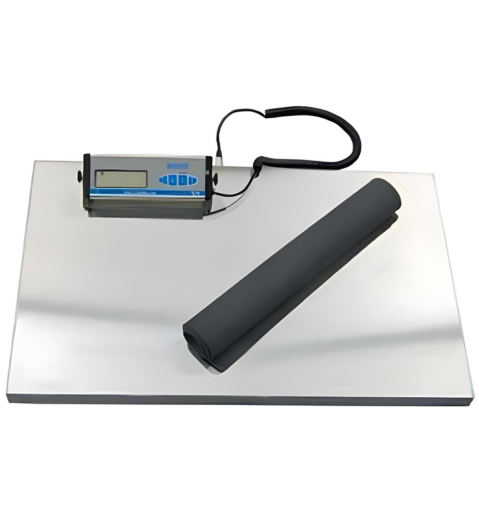
ACES AU’s Platform Scale is well suited for:

  • Intake and assessment weigh-ins
  • Medium to large dogs
  • Facilities that weigh multiple animals daily
scale for pets

Click here for product link.

Veterinary Clinics and Professional Use

In veterinary settings, speed and precision are essential. Weights may be used for medication dosing, anaesthetic planning, and ongoing treatment monitoring, so reliable readings are non-negotiable.

ACES AU’s Veterinary Scale is built for frequent clinic use and heavier loads. It is a strong choice for:

  • Exam rooms and treatment areas
  • Regular patient weigh-ins
  • Clinical workflows that require consistent measurement

Click here for product link.

Capacity, Platform Size, and Animal Comfort

A common mistake is choosing a product based only on maximum weight. Capacity should be matched with a platform size that lets the animal stand comfortably and naturally. If the surface is too small or unstable, the animal is more likely to shift around, which leads to inaccurate readings.

When comparing options, consider:

  • The largest animal you will weigh (including future growth)
  • Whether the animal can stand with all paws comfortably on the surface
  • How much movement you expect during weigh-ins

If you work with anxious or reactive animals, a larger platform scale for pets can make the process calmer and quicker.

Cleaning, Durability, and Day-to-Day Practicality

Where the scale will live matters. Homes often prioritise portability and compact storage, while shelters and clinics need equipment that holds up to frequent use and is easy to clean between animals.

Look for features that support everyday care:

  • Surfaces that wipe down quickly
  • Stable construction that resists wear
  • Easy-to-read displays for fast checks

This is where choosing a quality scale for pets pays off long term, especially in professional environments.

Find the Right ACES AU Option

If you want to compare all available options in one place, start with ACES AU’s Animal & Veterinary Scales category page and then choose based on your most common use case and the typical size of the animals you handle.

With the right setup, a dependable scale for pets becomes a simple part of routine care, helping you make more informed decisions with less guesswork.

Why ‘Dangerous Dog’ Signs Matter for Safety, Compliance and Everyday Peace of Mind

For many Australian dog owners, safety is more than a responsibility. It is an essential part of protecting the people who come onto your property and ensuring your dog is managed with care. This is especially important for dogs that show strong territorial behaviours or have been officially declared dangerous. In these situations, dog signs play an important role. They help communicate risk, support legal compliance and create a safer experience for anyone who approaches your home.

A dangerous dog sign is far more than a notice on a fence. It is a clear signal that a dog behind the gate may react defensively or unpredictably. In states such as Victoria and Tasmania, these signs are required by law when a dog has been formally classified as dangerous. For other owners, dog signs are simply a smart and proactive safety measure.

What a Dangerous Dog Sign Communicates

A dangerous dog sign provides an early warning before a visitor steps into your yard. Delivery drivers, postal workers, tradespeople and neighbours often enter properties without knowing what to expect. When dog signs are present, these individuals can take appropriate precautions rather than being surprised or caught off guard.

Many dogs, even well loved family pets, can react strongly to strangers or unexpected movements. A sign helps reduce misunderstandings by setting expectations as soon as someone approaches the gate. This small amount of information can prevent stressful interactions and support safer behaviour from both the visitor and the dog.

Legal Requirements in Victoria and Tasmania

In some Australian states, using dog signs is a legal requirement rather than a personal choice. Victoria and Tasmania have specific regulations for owners of declared dangerous dogs. These rules state that an approved sign must be displayed at every entrance to the property.

Compliance includes using a sign that is the correct size, clearly readable and durable enough to withstand outdoor conditions. ACES AU provides dangerous dog signs that meet VIC and TAS standards, ensuring owners have access to signage that aligns with state laws and is built to last.

By choosing properly made dog signs, owners reduce the risk of penalties and demonstrate a clear commitment to public safety.

dog signs

Dog Signs as a Preventative Safety Measure

Many dogs are never declared dangerous but still benefit from having a warning sign on the property. Signs help reduce risk for territorial or anxious pets, particularly if they are protective of their home. Dog signs are also helpful on properties with multiple gates, large outdoor areas or limited visibility from the street.

Displaying a sign is a simple way to prevent surprise encounters. It shows consideration for the people who may approach your property, such as parcel couriers, meter readers or contractors. Even a friendly dog can become startled when a stranger opens a gate unexpectedly. A visible warning reduces those situations and helps maintain a calm environment.

Using dog signs proactively also models responsible ownership. It shows awareness of how your pet might behave in uncertain situations and helps safeguard both the dog and the community.

Building Trust and Confidence Around Your Home

Clear, well placed dog signs provide reassurance to anyone entering your property. Workers and visitors are more comfortable when they know what to expect. Warning signage communicates transparency and respect, building trust between the homeowner and the people who access the space.

Family members, friends and neighbours also benefit from this clarity. Dog signs set boundaries and remind everyone to enter with awareness, which supports smoother interactions and avoids unnecessary tension.

Why Quality Matters When Choosing the Right Sign

Not all signage is created equal. Weather, sunlight and time can cause poorly made signs to fade or become unreadable. High quality dog signs, such as those offered by ACES AU, remain visible in changing conditions and maintain compliance with state guidelines.

Durability matters because a sign that cannot be read no longer provides safety. A reliable sign strengthens your overall responsibility as a dog owner and contributes to a safer environment for visitors. While signage does not replace secure fencing or proper handling, it adds an important layer of protection.

A Safer Property Begins With Awareness

At ACES AU, we believe that safety starts at the gate. Dog signs provide essential awareness, help meet legal obligations and support responsible ownership. Whether your dog is legally classified as dangerous or simply protective of its territory, the right signage helps protect your pet and the people around you. Clear, compliant and well made dog signs are a simple step that makes a meaningful difference.

Essential Snake Catching Equipment for Australian Wildlife Handlers

Australia is home to some of the most fascinating yet potentially dangerous reptiles in the world. Whether you work in wildlife rescue, pest control, or environmental management, having the right snake catching equipment is essential to ensure both your safety and the welfare of the animal. Using professional tools helps maintain safe distances, improve control, and allow for humane captures in a wide range of environments.

Why the Right Snake Catching Equipment Matters

The Australian landscape presents a mix of challenges, from dense bushland to open paddocks and suburban backyards. In these conditions, reliable snake catching equipment allows handlers to perform their work safely and efficiently. Substandard gear can fail under pressure or cause unnecessary harm to the animal, which is why it’s vital to invest in professional-grade tools designed for Australian conditions.

1. Catch Poles: Your Foundation for Control and Safety

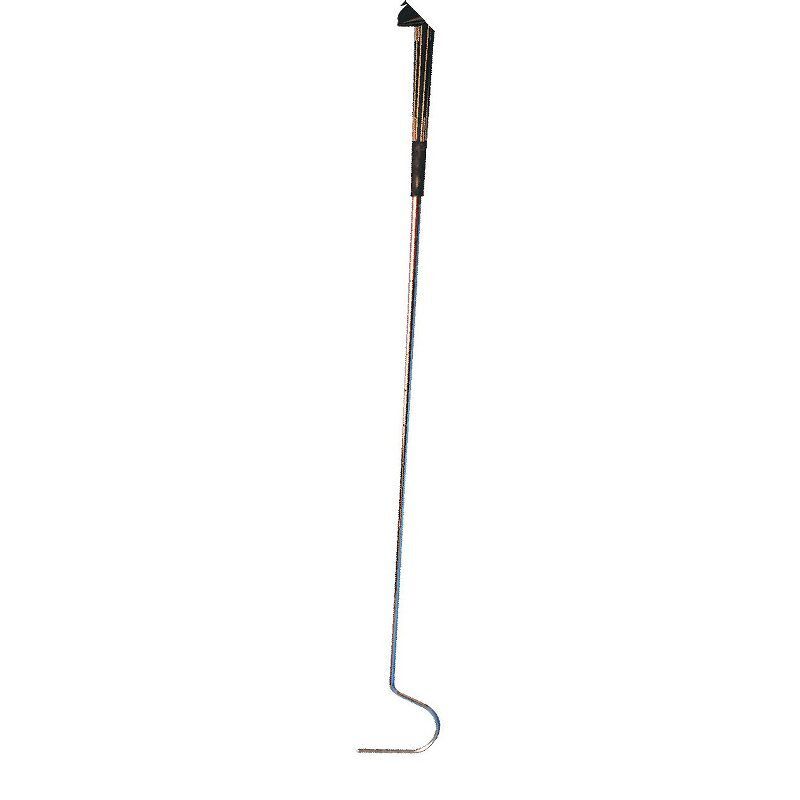
Catch poles are often the first tool used in a capture scenario. They provide reach and control, keeping you at a safe distance while gently guiding the snake. ACES offers a range of durable poles built for Australian fieldwork. Their snake catching equipment collection includes the popular ACES Snake Hooks and other versatile poles that make handling easier and safer.

2. Snake Tongs: Precision for Confident Handling

Snake tongs are another must-have item in any handler’s toolkit. They offer secure grip and fine control when manoeuvring or transferring a snake. The snake catching equipment from ACES includes tongs in multiple lengths and jaw styles, allowing professionals to choose what best suits the species and environment they encounter. Look for tongs with locking mechanisms, non-slip handles, and lightweight construction for extended use in the field.

3. Protective Gloves: Your First Line of Defence

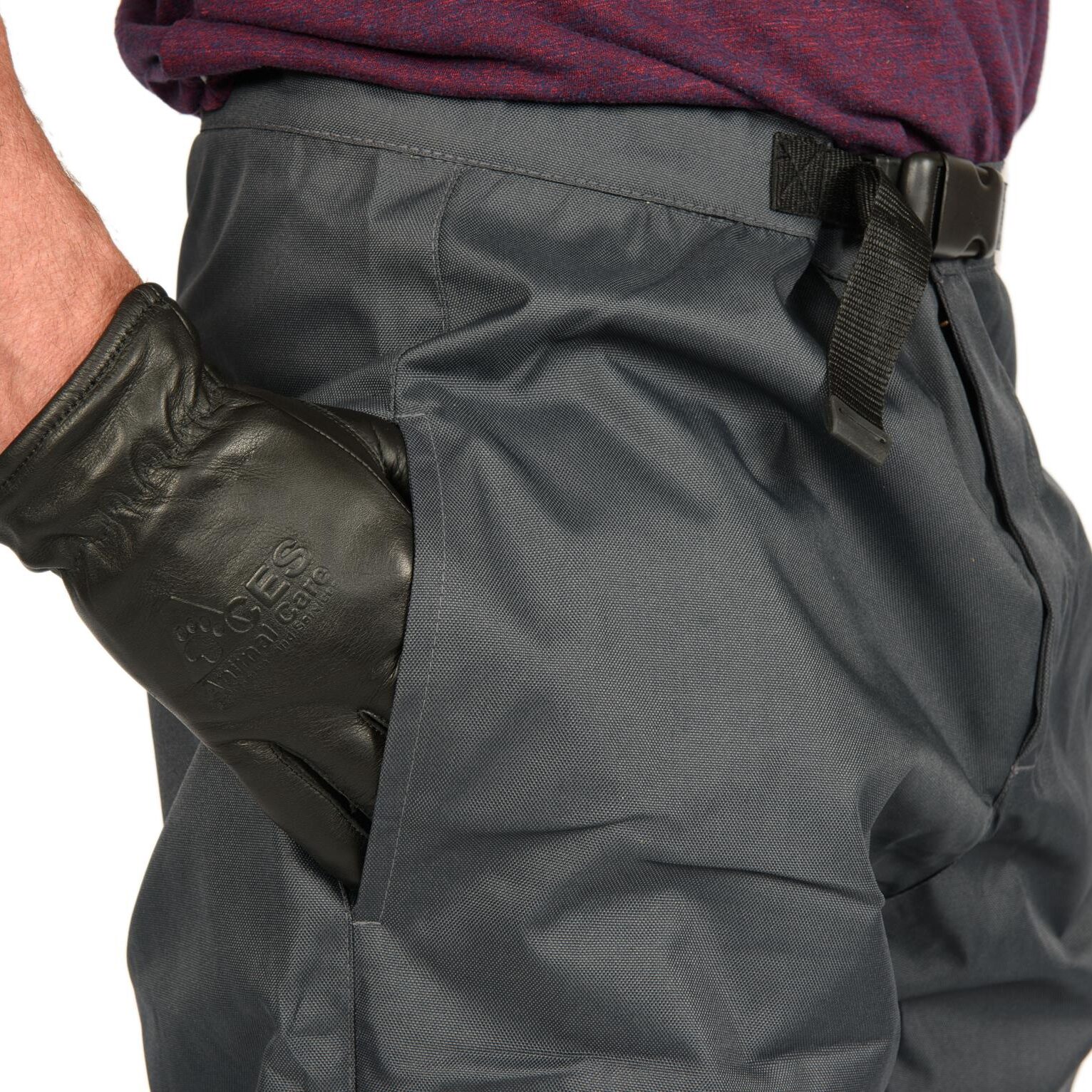
Even the most skilled handlers need quality gloves as part of their protective gear. The right gloves provide puncture resistance and ensure a firm grip when bagging or restraining reptiles. Within the snake catching equipment category at ACES, the Humaniac Deluxe Duty Gloves are a trusted choice. They provide superior protection while allowing the flexibility needed for careful handling in warm Australian climates.

snake catching equipment

4. Snake Bags and Buckets: Safe Containment Solutions

After capture, containment is critical for safety and animal welfare. Snake bags and ventilated buckets are essential components of reliable snake catching equipment. ACES supplies the Humaniac “Bag-a-Snake” and Snake & Reptile Buckets that make secure transport simple. Each option is designed with durability, breathability, and easy closure systems to protect both the handler and the snake.

snake catching equipment

5. Safety Shields and Additional Gear

Beyond the basics, every professional handler should consider adding shields, mats, or protective outer pants to their kit. These items can prevent unexpected strikes and make rescues in confined spaces much safer. Including these accessories within your snake catching equipment setup ensures full protection in unpredictable field conditions.

How to Choose the Right Equipment

When selecting snake catching equipment, it’s important to assess your environment and the types of snakes you’re likely to encounter. For large or fast-moving species, opt for longer poles and reinforced bags. In dense vegetation, choose lightweight, rust-resistant gear that won’t snag or corrode. Regularly inspect and clean all items after each use, paying attention to moving parts and seals. Well-maintained tools not only last longer but also perform more reliably when you need them most.

Training and Maintenance

Even the best snake catching equipment can be ineffective without proper technique. Regular practice sessions help handlers stay calm, efficient, and precise during real captures. Pair training with routine inspections, replacing any worn or damaged items before they become a hazard. ACES products are built to last, but ongoing care is key to ensuring every piece remains ready for use in demanding Australian conditions.

Why Choose ACES for Professional Snake Catching Equipment

ACES has served the wildlife and animal care community for decades, supplying dependable tools for professionals who value quality, safety, and humane handling. Their range of snake catching equipment is trusted by councils, rescue groups, and pest control operators across Australia. Each product is carefully selected for strength, ease of use, and compliance with local wildlife handling standards.
See the full collection at Animal Care Equipment & Services.

Having the right snake catching equipment can make every wildlife encounter safer, faster, and more humane. With ACES, you can equip yourself with proven tools designed for Australian environments and backed by expert support. Protect yourself, safeguard the animal, and handle every situation with confidence.

Dog Muzzle Training 101: How to Build Positive Associations

A dog muzzle can be a welfare tool when it is introduced thoughtfully. Used correctly, a muzzle protects animals, handlers, and the public without compromising comfort or dignity. The goal of training is simple: help your dog learn that wearing a muzzle predicts good things. With a patient, stepwise plan, most dogs will accept a muzzle calmly and even wag their tails when it appears.

Start with the right fit and style

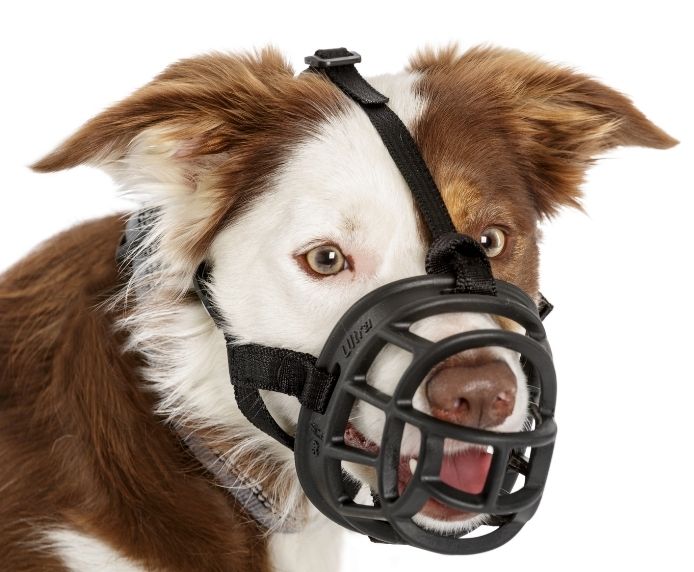
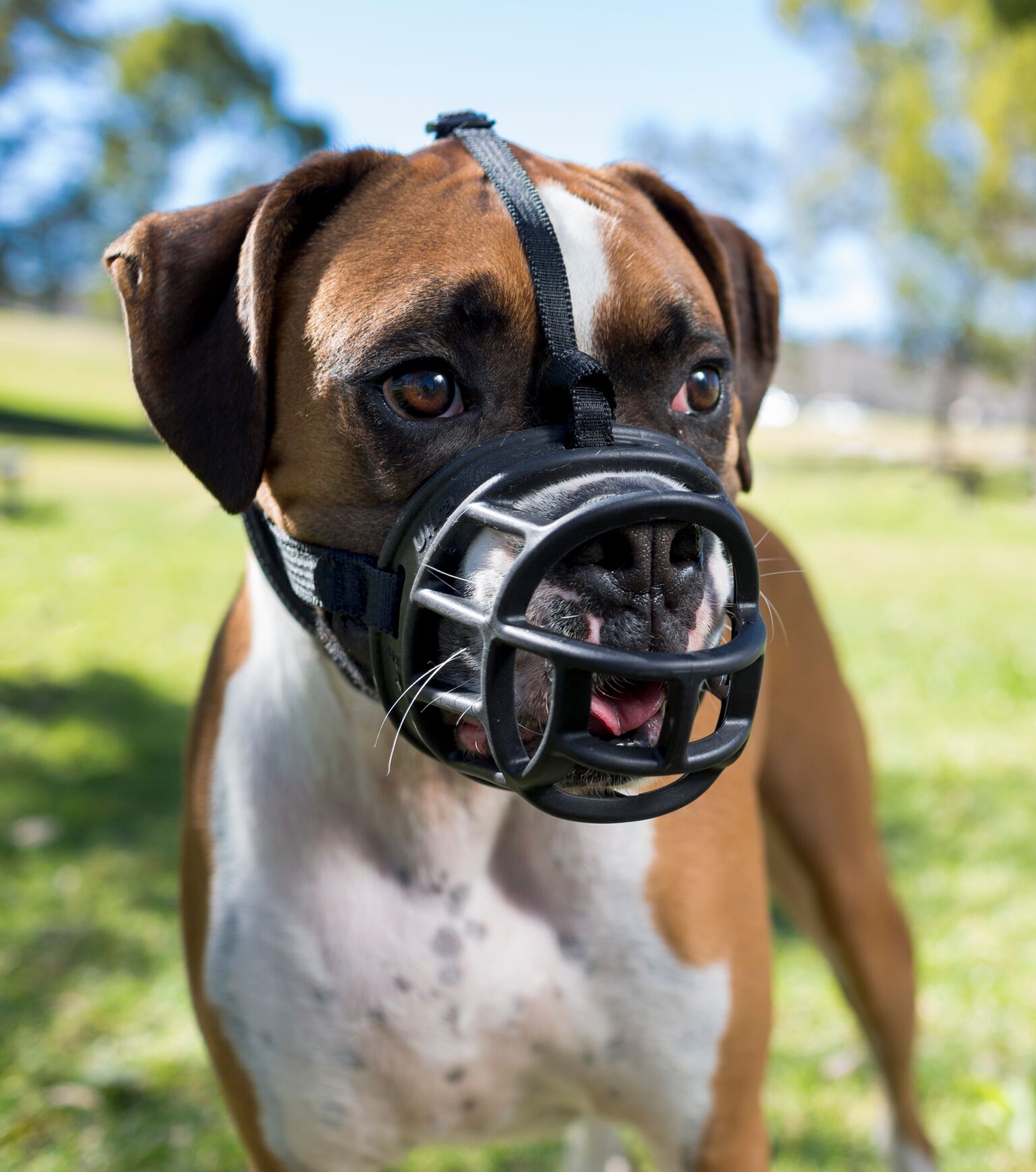
Positive associations begin with comfort. Choose a basket-style dog muzzle that allows open-mouth panting, drinking, and treat delivery. Measure your dog’s snout length and circumference and follow the product’s sizing guide. A well fitted muzzle should sit snugly without rubbing, permit natural jaw movement, and stay secure during normal activity. If you work in hot Australian conditions, ventilation matters. A ventilated basket muzzle helps heat dissipation and supports welfare during training and routine handling.

dog muzzle

Prime the dog before the first wear

Before asking for any duration, pair the dog muzzle with high value rewards. Place treats inside the basket so the dog voluntarily inserts their nose. Say a cheerful marker like “yes,” then let them eat and withdraw. Repeat ten to fifteen times across several short sessions. Keep intensity low. Your only target behaviour at this stage is nose-in, treat-out. When the sight of the muzzle makes your dog trot over expectantly, you are ready to add the next step.

Add gentle contact and very short holds

Now lift the straps as if you will fasten them but do not clip yet. Feed through the front of the dog muzzle while the straps brush the head and ears. Mark and release. Gradually add half-second holds, then one second, then two. If your dog pulls away, decrease the duration and increase reward frequency. The muzzle should act like a treat dispenser. Your dog is learning that calm stillness while wearing it creates a steady stream of good outcomes.

Clip, treat, unclip

When your dog stays relaxed with brief holds, fasten the muzzle for a single second, jackpot with multiple treats, then remove it. Build up to five seconds, then ten, then fifteen across several sessions. Use a timer to stay honest. Each success should feel too easy. The fastest way to create a confident dog muzzle wearer is to progress more slowly than you think you need. Short sessions of two to five minutes beat marathon training every time.

Layer in movement and context

Once you can comfortably reach thirty to sixty seconds, add easy motion. Clip the dog muzzle, cue a sit, feed, then a few steps of loose-lead walking, feed again, and unclip. Practise in multiple locations: living room, garden, footpath, and car. Dogs do not generalise well. By changing context early, you teach that the muzzle is safe everywhere, including at the vet, groomer, or during council work.

Troubleshooting common hiccups

If your dog paws at the muzzle, your duration jumped too quickly. Go back to nose-in feeding without clipping and rebuild. If chafing occurs, reassess fit or add soft padding to contact points. If your dog will not take food, increase reward value or shorten sessions. Remember that a dog muzzle is not a substitute for behaviour modification. Pair it with a plan that reduces triggers, increases distance, and rewards calm choices.

Safety and welfare rules to keep top of mind

Never use a muzzle to force interactions your dog cannot handle. Watch for relaxed body language, easy panting, and regular treat taking. Avoid cloth styles that clamp the mouth for anything other than brief, supervised procedures since they restrict panting. In warm Australian weather, schedule training in cool parts of the day and carry water. A well chosen dog muzzle supports welfare. An unsuitable one creates risk.

dog muzzle

Building a routine for long-term success

Confidence grows with repetition. Make the dog muzzle part of everyday life for a week or two, even when you do not need it. Show it, feed a small scatter of kibble, and put it away. Rotate high value rewards so the association stays fresh. Celebrate tiny wins. The more your dog predicts that wearing a muzzle equals safety and snacks, the more reliable it becomes during real-world moments.

Ready to choose your equipment?

ACES AU supplies field-tested basket designs, secure straps, and sizes suited to pets, working dogs, and shelter environments. If you need help selecting a muzzle, our team can guide you on fit, materials, and training steps to keep welfare first. With the right product and a positive plan, a dog muzzle becomes a tool your dog accepts with confidence.

Different Types of Animal Traps: Size, Material & Safety Features

When it comes to managing animal capture responsibly, understanding the different types of animal traps is key. The design, size, and material of a trap all play critical roles in ensuring a humane and effective experience—for both the animal and the handler. At ACES AU, a trusted source for animal control products, you’ll find a broad selection of live animal traps and accessories designed with welfare, safety, and reliability in mind.

From small wildlife to larger feral animals, selecting the right trap involves more than just choosing something that looks sturdy. The trap must suit the species, reduce stress, prevent injury, and allow for safe release. Let’s explore the essential considerations when choosing a trap—and what ACES has to offer.

Choosing the Right Trap Size for Safety

One of the most fundamental aspects of humane trapping is using the right size. If the trap is too small, the animal can be injured or overly stressed. Too large, and the animal may escape or fail to trigger the mechanism properly.

types of animal traps- tru catch aces au

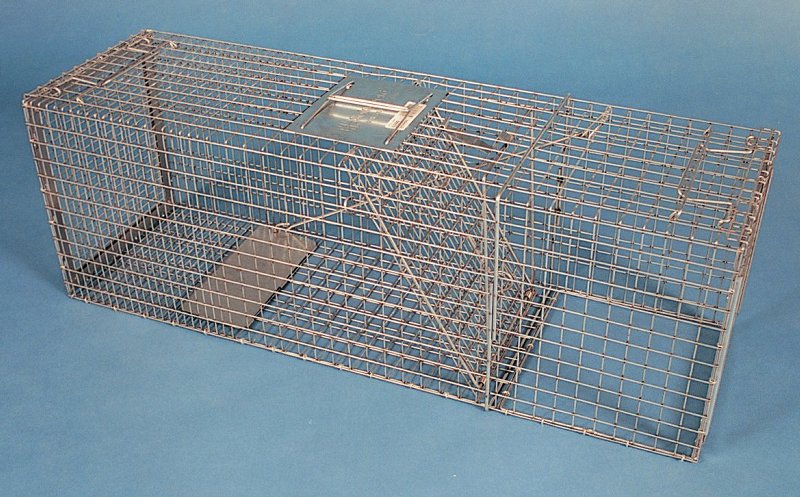
The Tru Catch Small Live Animal Trap is ideal for smaller animals such as possums, skunks, or feral kittens. With its compact dimensions and sensitive trigger, it allows for secure, low-stress containment.

Larger animals require more space and strength. The Tru Catch Folding Trap 48F is a durable option for foxes, large cats, and even dogs. Its rear release door and folding design make it a favorite among animal welfare professionals for fieldwork and transport.

Trap Materials: More Than Just Strength

The material of a live trap plays a vital role in determining both its long-term durability and the animal’s immediate experience. When comparing different types of animal traps, the material can influence how safe, humane, and reusable the trap is—especially in outdoor or high-use settings.

safegaurd universal trap- types of animal traps aces au

For example, the SafeGuard Universal Trap is built from heavy-duty steel mesh with a spring-loaded door. It’s designed to be reused in rugged conditions without compromising strength or reliability. The construction minimizes sharp edges, and its structure allows for proper airflow, reducing heat and panic inside the trap.

Smooth internal welds and rounded corners are critical details. They help avoid injury, especially for animals that may struggle during capture. It’s small refinements like these that distinguish professional-grade traps from DIY alternatives.

Built for Safety: What Makes a Humane Trap

Not all traps labeled “humane” meet professional standards. The best types of animal traps prioritize both animal safety and handler convenience. Here are some key features to look for:

  • Secure locking systems: Prevent escape without adding stress or injury risk.
  • Rear access doors: Allow for safer release, especially when used with trap dividers.
  • Visibility: Traps like those from the Tru Catch line allow the animal to see out, reducing stress.
  • Accessories: Items like trap covers or transfer cages further enhance safety during transport. Check out Tru Catch Trap Accessories for add-ons that help keep animals calm and handlers protected.

Types of Animal Traps and Their Best Use Cases

While all live traps aim to safely contain animals, their design influences what they’re best used for. Here’s a quick look at three common types:

  1. Single-door cage traps – Simple and effective, these work well when the animal’s direction of travel is predictable.
  2. Dual-door traps – Great for allowing entry from either side. They’re ideal when the animal may be hesitant or in an open area.
  3. Folding traps – Perfect for professionals who need mobility without sacrificing strength.

Why It All Matters

Whether you’re a wildlife rescuer, pest control officer, or community trap-neuter-return (TNR) volunteer, choosing the right trap affects more than just results—it reflects your commitment to humane practices. ACES AU provides not only durable and safe trapping equipment but also supports responsible animal control with thoughtful product design and accessories.

By understanding the different types of animal traps—and matching them properly to species, environment, and usage—you create safer outcomes for animals and people alike. Explore ACES’s full line of live animal traps and accessories to find tools built for effectiveness, ethics, and long-term performance.

Choosing Humane Animal Capture Tools: Blowpipes vs. Darting Systems

When it comes to animal capture, choosing the right tool can directly impact the success—and humanity—of the procedure. Whether you’re a veterinarian, wildlife officer, or animal control professional, understanding when to use a blowpipe or an advanced darting system is essential. Both tools deploy animal tranquilizer darts, but each has its own advantages depending on the situation.

In this blog, we’ll explore the key differences, use cases, and product options available at ACES AU to help you make informed, ethical decisions when it comes to remote animal sedation.

Why Tool Selection Matters in Animal Capture

Not all animal capture scenarios are the same. The environment, the animal’s size, stress level, and even your proximity all play a role in determining the most humane and effective approach. Using the wrong equipment can lead to unnecessary distress, missed doses, or even injuries.

Fortunately, both TeleDart Blowpipes and Advanced Darting Systems offer safe and effective ways to administer animal tranquilizer darts—when chosen and used correctly.

When to Use a Blowpipe

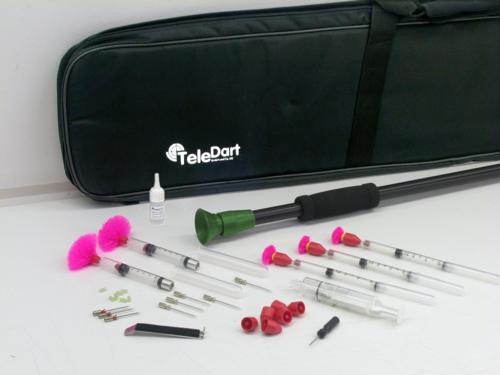
Blowpipes are best suited for situations where you’re working within a short range—typically under 10 meters. They’re lightweight, silent, and easy to carry, making them ideal for veterinary clinics, shelters, or urban environments where a quiet, low-stress approach is essential.

Benefits of blowpipes:

  • Silent delivery – perfect for noise-sensitive environments or skittish animals
  • Lightweight and portable – excellent for quick, low-impact capture
  • Simple design – easy to operate with minimal setup

ACES offers a range of TeleDart Blowpipes and Accessories in different diameters (11 mm, 14 mm, and 16 mm), allowing you to tailor your setup to the species and setting. Pair them with TeleDart Blowpipe Darts for a complete and effective solution.

When Advanced Darting Systems Are the Better Option

animal capture, animal tranquilizer darts- aces au

While blowpipes are great for short-range use, there are many situations where you’ll need more precision, power, and range. This is where TeleDart advanced darting systems come into play. These devices are ideal for open field situations, large or mobile animals, and operations requiring high accuracy.

animal capture, animal tranquilizer darts- aces au

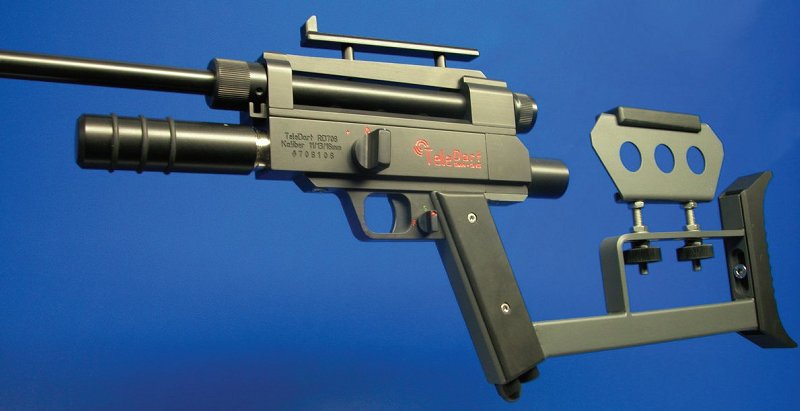
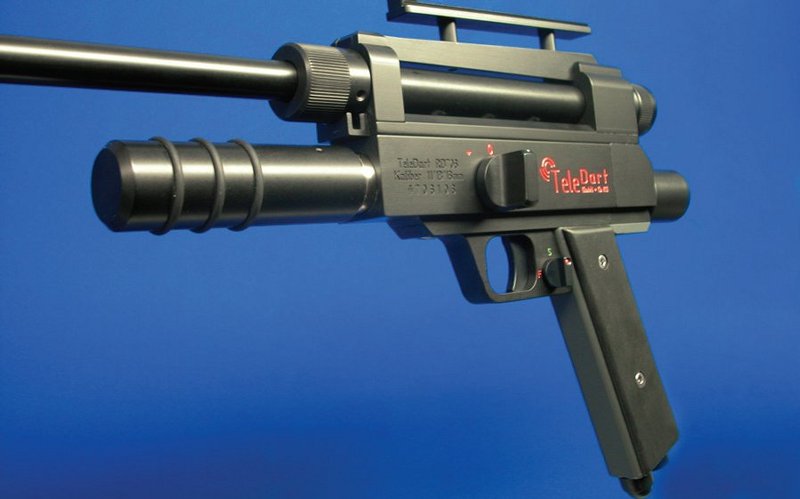
Advanced dart projectors like the TeleDart RD706 Rifle or the RD406 Pistol offer customizable barrel options, adjustable air pressure, and built-in safety mechanisms—making them incredibly reliable in the field.

Why choose a darting system?

  • Extended range – useful for outdoor, open-area captures
  • High accuracy – built-in sights and adjustable air systems for control
  • Durability – made for repeat use in demanding environments

For those looking to simplify their operations even further, ACES also supplies the Rechargeable Compressed Air System, eliminating the need for CO₂ cartridges and streamlining field work.

How to Choose the Right Tool

Selecting the appropriate capture method depends on several key factors:

  • Animal size – Small animals may only require low-pressure blowpipe delivery, while larger species may need higher-velocity darts for reliable administration.
  • Distance to target – Blowpipes are great for close encounters, but dart rifles provide reach when needed.
  • Environmental stressors – Consider how noise, movement, and visibility will affect the animal’s reaction.
  • Portability needs – If you’re moving quickly between locations or working solo, the lighter option might be more suitable.

No matter which tool you choose, always prioritize training and safety. These tools are designed for humane use and should only be handled by trained professionals who understand the risks and responsibilities of chemical restraint.

Supporting Safe and Humane Practices

Whether you’re responding to a stressed-out kangaroo, sedating a stray dog for veterinary care, or managing feral animals in remote areas, ACES provides the tools professionals need for responsible animal capture. From blowpipes to darting systems, every product is selected with safety, reliability, and compassion in mind.

Choosing the right equipment—and using it properly—ensures that animal tranquilizer darts do what they’re meant to do: deliver low-stress, humane outcomes for animals in need of care or containment.

EZ-Nabber: The Humane Cat Trap That Redefines Safe Feline Rescue

When it comes to managing stray, feral, or lost cats, the use of a humane cat trap is essential. Trapping must prioritize the cat’s safety and minimize stress, while still being effective enough to ensure a secure capture. The EZ-Nabber stands out as one of the most thoughtfully designed options available, combining durability, ease of use, and a truly compassionate approach to feline control. For animal rescuers, veterinarians, and community caretakers, this tool offers a reliable way to handle cat trapping responsibly. Its design reflects a growing commitment to humane animal handling practices in communities across Australia.

What Makes a Cat Trap “Humane”?

The term humane cat trap refers to equipment designed to safely confine a cat without causing injury, unnecessary stress, or long-term trauma. Humane traps follow key principles:

  • Gentle Containment: The trap must close securely without slamming or pinching, ensuring the cat isn’t harmed during capture.
  • Spacious and Comfortable: A humane trap should give cats enough room to sit or turn without feeling confined to the point of panic.
  • Safe Observation: Clear visibility is important so handlers can check on the animal’s condition immediately after capture.
  • Durable Construction: The trap must be strong enough to prevent escape while being safe for repeated use in various rescue situations.

These criteria ensure not only ethical animal treatment but also a smoother process for the person performing the rescue.

A Humane Cat Trap Built for Professionals and Volunteers

human cat trap- aces au

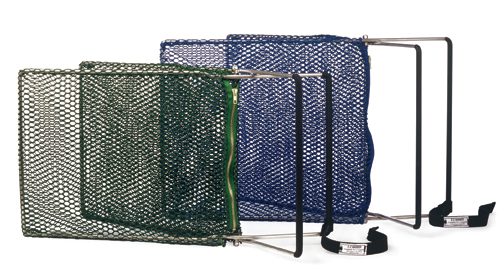
The EZ-Nabber is widely recognized for meeting—and exceeding—the standards of a humane cat trap. Unlike traditional box traps, its innovative design allows handlers to secure cats quickly and gently, whether they are in a shelter environment, a veterinary clinic, or an outdoor setting.

Simple, One-Person Operation

Traditional cat traps often require multiple people or careful baiting. The EZ-Nabber streamlines this process. Its lightweight yet durable frame makes it possible for a single handler to safely capture a cat, even in challenging environments such as under furniture, in tight spaces, or inside transport carriers.

Gentle and Secure Design

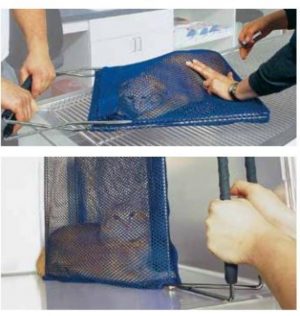
The hallmark of the EZ-Nabber is its gentle closing mechanism. The mesh enclosure surrounds the cat without slamming or startling them, significantly reducing stress compared to traditional traps. Once secured, the cat remains contained and calm until release or transfer.

Comfortable and Stress-Reducing

Cats are less likely to panic when they can see their surroundings. The open mesh design provides visibility for both them and the handler, allowing for continuous monitoring. This transparency is especially important during veterinary exams or medical treatment, where low-stress handling is critical.

Built to Last

Crafted from durable, high-quality materials, this humane cat trap is designed for repeated professional use. It resists wear and tear from claws or struggling without compromising safety. For animal control officers or rescue groups that frequently trap and transport them, reliability is key.

Versatile Applications

From rescuing community cats during trap-neuter-return (TNR) projects to safely securing frightened house cats for veterinary care, the EZ-Nabber adapts to multiple scenarios. Its design makes it equally effective in outdoor fieldwork and indoor shelter settings, offering flexibility for different rescue needs.

Why Choose the EZ-Nabber for Humane Cat Trapping?

humane cat trap- aces au

This isn’t just another trapping tool—it represents a higher standard for animal welfare in feline rescue. By prioritizing the comfort and safety of the cat, this product helps reduce injury, stress, and fear while making the handler’s job significantly easier. Whether you are an experienced rescuer or new to feline trapping, investing in this tool supports both practical efficiency and compassionate care. For professionals and volunteers seeking a humane cat trap that performs reliably in real-world conditions, the EZ-Nabber remains one of the best choices available today.

Mastering Animal Handling: Net Tools and Techniques for Wildlife Rescue

Animal handling is a vital skill for anyone involved in wildlife rescue, animal control, or shelter operations. Whether responding to an injured bird, a roaming stray, or a distressed native animal, proper handling ensures the safety of both the animal and the handler. It also supports more humane outcomes—reducing stress and the risk of injury during capture and transport.

At ACES, we supply a wide range of animal handling tools designed for professionals who need reliable, humane, and field-tested equipment. From extendable net poles to high-performance net guns, our products are trusted by wildlife carers, local councils, and animal agencies across Australia.

Why Proper Animal Handling Matters

Every rescue comes with unknowns—unpredictable behavior, environmental hazards, or time constraints. In these situations, effective animal handling can mean the difference between a calm recovery and a chaotic or dangerous incident.

When handlers are properly trained and equipped, they can safely assess the situation, use the correct tools, and minimize distress for the animal. This leads to faster recoveries, fewer injuries, and better outcomes for all involved.

Choosing the Right Equipment for the Job

animal handling- extendable folding net

No two rescue situations are the same. That’s why ACES offers a variety of purpose-built tools to meet the demands of different animal handling scenarios. Here are a few standout options:

Extendable Folding Net
The Extendable Folding Net offers excellent reach with a telescopic handle and collapsible design. Ideal for quick deployment and easy storage, it’s perfect for confined spaces or transport vehicles where space is limited.

Humaniac™ Cage Net
For smaller animals requiring gentle handling, the Humaniac™ Cage Net provides a soft mesh and deep design with a zippered base for controlled transfer. It’s ideal for animals under 9kg and is often used in veterinary clinics or shelters.

Bat, Bird & Mammal Net
Designed for maximum reach, the Bat, Bird & Mammal Net extends up to 4 meters. Lightweight yet sturdy, it’s great for retrieving birds or small mammals from elevated locations or enclosures.

animal handling- freeman multi purpose net

Freeman Multi‑Purpose Net
The Freeman Multi‑Purpose Net features a locking cord system and is designed for tight spaces, such as cages or small kennels. The triangular frame makes it easier to corner and secure animals quickly and humanely.

Magnum Net
When dealing with larger animals, the Magnum Net provides added control and durability. With a wide hoop and 3-meter reach, it’s built for strength and stability, making it suitable for stray dogs or robust wildlife species.

Best Practices for Humane Animal Handling

Using professional tools is only part of the equation. Successful animal handling also relies on skill, awareness, and preparation. Consider these best practices:

  • Start with a visual assessment. Evaluate the animal’s behavior, location, and any potential injuries before approaching.
  • Approach calmly and deliberately. Sudden movements or loud noises can escalate stress. Maintain a quiet presence.
  • Use the right tool for the situation. Choosing between a net pole or net gun can depend on species, environment, and distance.
  • Prioritise your safety. Wear gloves, use eye protection, and always keep an exit route clear.
  • Work as a team when possible. Coordinated efforts can reduce handling time and improve animal welfare.

For those new to wildlife capture—or experienced professionals looking to refine their technique—training is essential. ACES supports proper tool usage and can provide guidance on selecting the right gear for your needs.

Supporting Safer Outcomes for Animals and Handlers

At ACES, we understand the challenges of real-world animal handling. That’s why we’ve developed and sourced tools that offer durability, control, and humane results. Whether you’re rescuing native wildlife, responding to a domestic animal call, or supporting a conservation effort, the right equipment makes all the difference.

Explore our full selection of animal handling tools to find reliable, professional solutions for every situation.

Let’s continue working together to make animal care safer—for the animals and for the people who serve them.

Select Wishlist

0
    0
    Your Cart
    Your cart is emptyReturn to Shop